
Whoa! I keep thinking about wallets that feel like desktops. Phantom has evolved fast and now people ask for a web version. Initially I thought a browser-based Phantom would be risky, but then I realized the tradeoffs are more nuanced, especially for staking SOL and managing dApps across devices. Here’s the thing: people want easy cross-device access without extra friction.
Seriously? Web wallets widen the attack surface compared to extensions or hardware setups. But modern designs can mitigate many risks through careful session handling and constrained keys. My instinct said: don’t trust, then I checked what Phantom’s flow could look like for staking (oh, and by the way, somethin’ popped up in my head…). On one hand a web-facing wallet must assume the browser tab can be compromised, so ephemeral signing, domain-bound sessions, and strict CSPs become critical defenses that dev teams should design around.
Wow! Staking from a web wallet is basically a delegation transaction to a validator. You keep custody of keys in the browser, sign the instruction, and submit it on-chain. Delegation is reversible, unstaking takes epochs, and rewards accumulate while your stake is active, which matters if you’re optimizing for APY or liquidity. Practically, it means you can stake without moving funds to an exchange.
Hmm… Web-first flows often use encrypted local storage plus optional cloud backups. A thoughtful implementation lets users connect a hardware wallet or import a seed for recovery, while keeping day-to-day key material isolated for quicker signing, though that isolation is delicate and must be auditable. I favor hardware-backed signing for large stakes, but daily actions can use ephemeral sessions. Also, make sure the recovery flow is straightforward and tested.
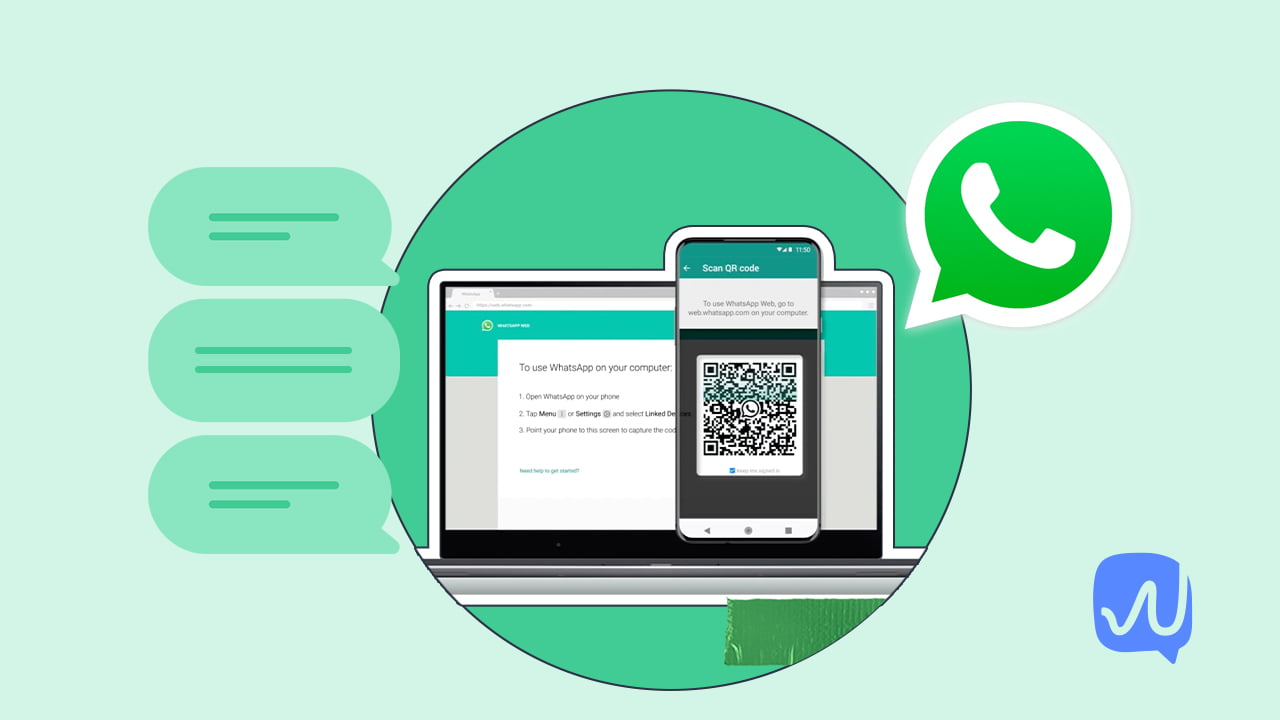
How to try the web phantom wallet and stake SOL safely
Okay, so check this out— Start by creating a non-custodial account and backing up the seed offline. Then connect to the web interface at phantom wallet and follow the staking UI to delegate SOL. Validate the validator’s commission and uptime before delegating to avoid surprises. Also remember unstaking isn’t instant, so plan around epochs and consider keeping a liquid buffer for immediate needs, rather than staking everything at once.
I’m not 100% sure, but my view shifted: web wallets can be safe with least-privilege designs and clear UX. For staking SOL specifically, transparency around fees and easy undelegation flows build trust. On one hand convenience expands participation, though actually the tradeoff is between exposure and ease, and each user must weigh their own risk tolerance before delegating meaningful stakes. Here’s what bugs me: many people skip backups, which is very very important (somethin’ to remember).
FAQ
Can I stake SOL from a browser without losing custody?
Yes. A web wallet can let you keep custody while you sign delegation transactions in-browser; the key is how the client isolates signing keys and handles backups. If the implementation supports hardware keys or clear recovery flows, you maintain control — but don’t skip backups.
Is unstaking instant?
No. Unstaking runs on Solana epochs, so there’s a delay before your funds become liquid again. Plan around that delay and keep a small liquid reserve for short-term needs.
What should I check before delegating?
Check validator commission, historical uptime, reputation, and whether the web UI shows estimated rewards and penalties clearly. If you care about security, prefer hardware-backed signing for large stakes.